

If you're in your 20s and feel like you're constantly tired, mentally drained and worried about everything, you're not alone. Five years after COVID-19 first broke out in 2020, many youths may still be quietly struggling with its psychological consequences. What started as a crisis of social isolation and uncertainty has left lasting effects that continue to shape how young adults feel and function today.
A nationwide study conducted between 2022 and 2023 found that anxiety was the most common mental health struggle young people in Singapore faced, with about one in four reporting severe or extremely severe symptoms.1
For those of us who were in our teens or early 20s during the COVID-19 pandemic, the toll on mental health wasn’t just a temporary bump in the road; it changed what everyday life and “normal” felt like. Navigating the often awkward, uncertain years of youth is already challenging, but our generation had to figure it out while also adapting to a global crisis.
Social isolation, doomscrolling and a lingering sense of feeling lost were not just separate challenges during the pandemic. They became key contributors of anxiety, and for many, those habits and feelings haven’t fully gone away.
If you’ve been feeling off, here’s how to recognise the signs of anxiety and take small steps to start feeling better. Here’s what I’ll cover:
- Social isolation
- Doomscrolling
- Feeling lost
- Signs you might be struggling
- Simple steps to ease anxiety
- Helplines and resources
Social isolation
One of the most difficult parts of the pandemic was the overwhelming lack of real human connection. I still remember cramming for my A-levels during that time – easily one of the most stressful periods of my life. Day in and day out, I spent hours sitting alone in my room watching all my pre-recorded lessons with barely any interaction with teachers or classmates, and almost no outlet to vent or destress. There were no quick chats after class, no group study sessions, no casual hangouts to punctuate the monotony.
Years after lockdowns ended, that sense of disconnection hasn’t fully left for many of us. Social isolation during the formative years shaped the way we relate to others, and not always for the better. It’s not unusual to hear of some youths still struggling with loneliness, awkwardness in face-to-face settings or feeling like they’ve lost their social "rhythm".
The lingering effects:
- Strained or distant friendships that faded during the pandemic and never fully recovered
- Feeling socially anxious or “rusty” in group settings
- Preference for online interactions over in-person ones
- Difficulty trusting others or opening up emotionally after years of reduced social interactions
Doomscrolling
When school and work went remote, my routine quickly fell apart. I started staying up later, often scrolling through news and social media till 3am, thinking I was staying "informed", but really just feeling anxious and overstimulated.
Studies show that increased screen time during the pandemic, particularly with COVID-related news, was linked to higher anxiety levels. Even after lockdowns ended, doomscrolling remains a common habit for many. While some normalcy has returned, the urge to constantly check news and social media hasn't faded. Social media may help us stay connected, but it also feeds a cycle of endless updates. It’s easy to get stuck in a negative feedback loop that leaves us feeling more anxious and overwhelmed.
The lingering effects:
- Difficulty switching off mentally, even late at night
- Restless sleep caused by overstimulation from screens
- A constant need to “stay updated” that fuels anxiety
- Comparing yourself to others online, which deepens feelings of inadequacy


Feeling lost
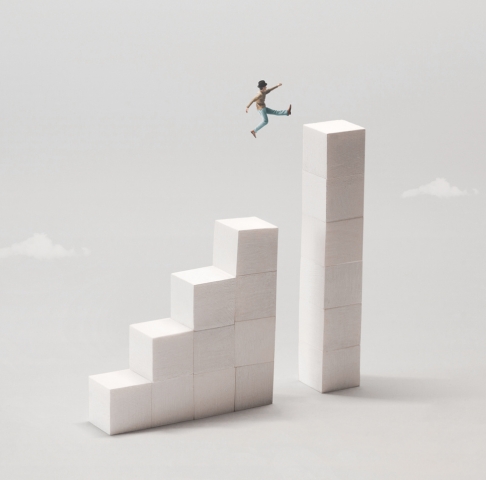
During COVID-19, many of us faced a sense of uncertainty about the future. While the world seemed to pause, important milestones were slipping by. Things like graduation ceremonies and exchange programmes were all either cancelled or reduced to watered-down online substitutes. It was hard not to feel like we were missing out on experiences that were supposed to shape our lives.
Some young people described life during the pandemic as being in a “standstill” – as if time was passing by, but everything still felt stagnant. I remember wondering how long the pandemic would last and whether this “new normal” was something I’d just have to adjust to. The uncertainty made it tough to plan ahead, leaving me unsure of what to focus on or what to expect next. It’s no surprise that many of us came out of the pandemic with increased anxiety, and a sense that we needed to “catch up” on time lost.
The lingering effects:
- Pressure to catch up because of “lost years” by overachieving
- Feeling behind peers who seemed to adapt or bounce back faster
- Difficulty setting long-term goals because of past uncertainty
- A sense that life hasn’t “begun properly” yet
Signs you might be struggling
Mental health challenges can often develop gradually, sometimes without us even realising it. Here are some common signs to look out for:
- Constant fatigue, even after a full night’s rest
- Feeling easily overwhelmed or hopeless
- Trouble focusing or completing simple tasks
- Persistent sadness or irritability
- Withdrawing from social interactions
- Sleep disorder
- Physical symptoms like headaches, chest tightness or digestive issues
If you’ve been experiencing some of these, it could good to pause, reflect and make some adjustments.
Simple steps to ease anxiety
It’s common to hesitate when it comes to seeking help; you might be unsure where to start, worry about being judged or feel like your problems aren’t “serious enough”. But you don’t need to wait for things to fall apart to start making changes. Here are a few ideas that might help:
1. Redefine success and productivity
There’s a lot of pressure to be constantly doing something – studying, working, achieving. But productivity isn’t just about ticking off major milestones. It can also mean showing up for yourself in small, consistent ways, like finishing that one thing you’ve been putting off. Progress doesn't always have to look impressive, so give yourself some grace.
2. Establish a routine
Simple routines can help create a sense of structure when things feel uncertain. You don’t need an elaborate schedule, just a few consistent habits in the morning or evening can ground your day. For example, making your bed, going for a short walk after lunch or having a set time to wind down in the evening can make a real difference to your mental state.
3. Move your body
Exercise doesn’t have to be intense or time-consuming. The goal is to move in a way that feels manageable. That could mean stretching after you wake up, going for a walk around your neighbourhood or doing a short YouTube workout. You can even sneak in some fitness moves without leaving your desk. Movement helps with sleep, focus and mood – especially on days that feel heavy.
4. Set social media boundaries
Constant exposure to news and social media can be mentally draining, especially if you’re already feeling anxious. Try small changes like turning off push notifications, leaving your phone outside your bedroom at night, or setting app limits so you’re not endlessly scrolling.
5. Make time for in-person connection
In a world where most conversations happen through screens, carving out time for face-to-face interactions can be surprisingly grounding. Personally, I’ve made it a habit to meet a friend for a meal at least once a week – nothing fancy, just something to break up the week and reconnect. These small moments of in-person connection can go a long way in lifting your mood and making you feel less alone, especially when things feel overwhelming.
Helplines and resources
During times when anxiety feels overwhelming despite your best efforts, remember that support is available and you don’t have to go through it alone.
Mental wellbeing
- National Mindline 1771: 1771 (24 hours)
- Singapore Association for Mental Health: 1800 283 7019
- Tinkle Friend: 1800 274 4788
- Chat, Centre of Excellence for Youth Mental Health: 6493 6500/1
Counselling
- Touchline (Counselling): 1800 377 2252
- Touch Care Line (for caregivers): 6804 6555
- Care Corner Counselling Centre: 6353 1180
- We Care Community Services: 3165 8017
Online resources
- mindline.sg
- eC2.sg
- www.tinklefriend.sg
- www.chat.mentalhealth.sg
- carey.carecorner.org.sg (for those aged 13 to 25)
Conclusion
If you’ve been feeling anxious lately, you're not alone. The key is to check in with yourself regularly, just as you would with annual health screenings for your physical wellbeing. Small, consistent habits can make a big difference to your mental health over time. It's also important to learn to spot the signs of anxiety and seek help early.
On the financial side, it helps to know you’re supported. All Singaporeans and Permanent Residents are covered under MediShield Life, which includes hospitalisation and inpatient mental health treatments, while some Integrated Shield Plans like Singlife Shield and Health Plus offer some coverage for inpatient mental health treatment and outpatient psychiatric consultations2. Having this assurance means that if you ever need care, you can focus on recovery instead of worrying about bills.
Notes
1. Source: The Straits Times, “Depression, anxiety, stress: 1 in 3 youth in S’pore reported very poor mental health, says IMH survey”, accessed on 15 April 15 2025.
2. Subjected to Singlife Shield and Singlife Health Plus Terms and Conditions