

Several days ago, as I lay in bed indulging in my nightly TikTok ritual, something stood out. Every swipe revealed yet another post declaring someone’s list of “ins” and “outs” for the new year. It made me ponder over my own In-and-Out list for 2025 as a young adult about to transition from university life to the working world.
My new take on resolutions: an In-and-Out list
In-and-Out lists on TikTok cover everything from habits and clothes to wider trends. Less ambitious than resolutions, they focus less on what to achieve and more on what sparks joy.
The “ins” range from healthy habits like “taking more walks” to hyper-specific choices like “drinking matcha”. Meanwhile, “outs” include everything from “overthinking” to “people-pleasing”, and even oddly specific items like “starface pimple patches” (which, I have to agree with).
My pages of lofty new year resolutions always end up getting abandoned before June even arrives, so I’ve long gotten over the shiny appeal of the new year. But I figured this low-stakes list is something I can get behind to set meaningful intentions in this new year.
So, here’s my personal list of what’s “in” and “out” for the year ahead:
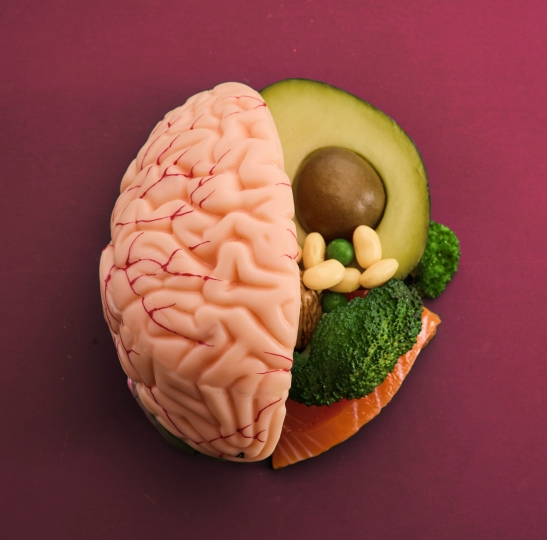
When it comes to nutrition…
In: Meal prepping
My recent study-abroad stint forced me to pick up basic cooking skills, and I’ve surprisingly taken a liking to whipping up my own meals. Not only is it far cheaper than eating out, it’s also a fun way to try new recipes. Meal prepping is especially satisfying. With a little planning, I can easily take care of a week’s worth of meals each time I cook, which is a major time saver. Plus, being responsible for my own meals also means I can control how much I’m eating, and swap out ingredients for healthier alternatives.
Out: Sugary treats
The term “sweet treat” is a deceptively innocent phrase for such an addictive vice. I’ve lost count of the number of times I’ve proclaimed “I need a sweet treat” after having rice and a sugary drink. Lately, I’ve been learning the hard way that contrary to what my dad jokingly says, people don’t have a “separate stomach for dessert”. The health consequences of these little indulgences can really add up, especially once I enter the workforce and the risk of becoming sedentary increases. If I can’t make time for regular exercise, the least I can do is forgo after-dinner ice-cream.
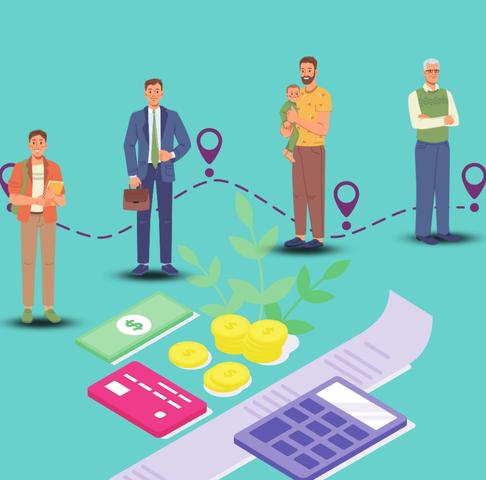
In relation to money…
In: Being intentional about saving
Up till now, I’ve not done much to take care of my financial health. Savings hasn’t always been a priority but over time, I’ve learnt that a plate of chicken rice didn’t always cost S$4, and will likely only be more expensive in the future. By then, the purchasing power of my savings will have diminished as well. Making my money work for me is the only way to keep my long-term financial goals within reach. So, I’m looking into insurance savings plans like the Singlife Account — it’s a simple way to let your savings grow while also getting insurance coverage for death and terminal illness. The best part is, I can make top-ups or withdrawals whenever I want.
Out: Overanalysing costs
As a child, I honed much of my maths skills in supermarket aisles, where I would compare price labels to determine the cheapest carton of eggs to add to the family shopping cart. This practice has stuck with me, and though it’s not a bad habit, I’ve recently come to realise that it can sometimes be restrictive. Constantly assessing how “worth it” something is has often led me to forgo things I eventually regretted. Sure, I may be S$300 richer for not attending the BTS concert in Singapore 2019, but I don’t have that memory of singing my heart out to their songs during a live performance. Placing monetary value on experiences is tricky, but I’ve decided that I’m not cheapening out on making memories I’ll cherish this year. (Everything in moderation, of course.)



In terms of leisure…
In: Audiobooks
Since starting university, I can’t remember the last time I read something that wasn’t assigned for class, which is saying something, since I used to devour thick stacks of fantasy novels all through primary school. Between rushing to classes and drowning in assignments, reading for leisure has taken a backseat. But there are endless benefits to keeping a reading habit, and I think audiobooks might be the perfect way to get through a few chapters a day. They’re also great accompaniment for a daily commute or a night routine.
Out: Doomscrolling
For all my excuses about not having time to read, my daily 10 hours of screen time tell another story. I whip out my phone at every opportunity, whether I'm waiting for a bus or trying to avoid awkward eye contact in the lift. The instant gratification I get from scrolling social media feeds is addictive, but at the end of the day, the benefits rarely go beyond being updated on the latest internet meme. I’m striving to be more intentional about how I spend my time, and cutting out my biggest distraction is my first step.
Conclusion
One reason why so many New Year’s resolutions fall through is because they’re too ambitious1. The start of a new year inspires hope and optimism, but these feelings alone aren’t enough to sustain long-term habits. Having an In-and-Out list is a way to set smaller, short-term goals that can make our resolutions feel more attainable, and hence, motivate us to stick with them. So, if you’ve yet to see success with your New Year goals, why not start with your own In-and-Out list? And remember, you don’t have to wait for the first of January to set goals – you can do it anytime.
Notes
1. Source: Verywell Mind, “The Psychology Behind Why New Year's Resolutions Fail”, accessed on January 20, 2025